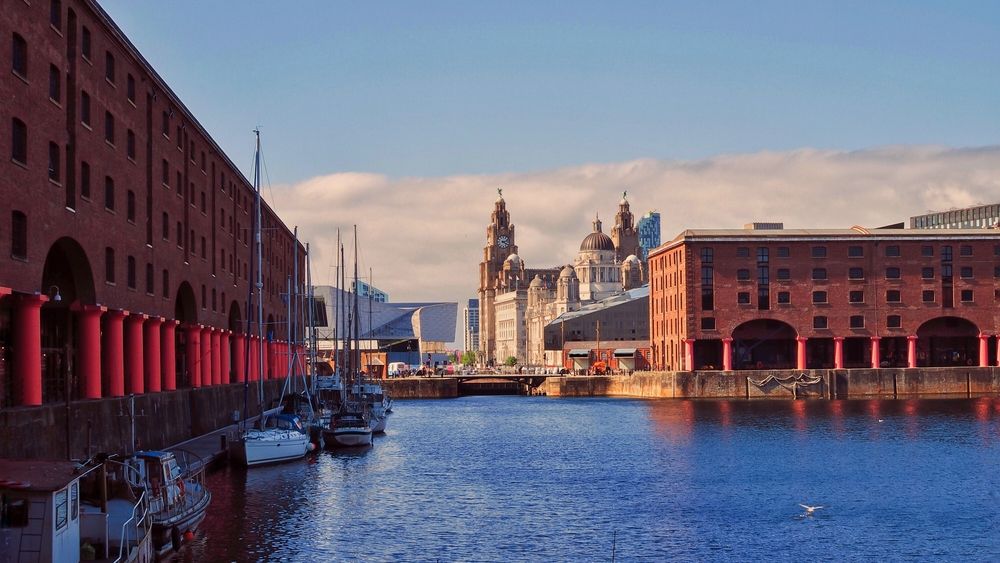
Founded in 1207 by King John, Liverpool began as a modest fishing village but transformed into a bustling port by the 18th century, driven by trade with the Americas and the West Indies. The city's strategic location facilitated its emergence as a central hub during the Industrial Revolution, leading to rapid urban expansion and economic growth. However, this prosperity was marred by involvement in the transatlantic slave trade, a complex legacy acknowledged today through institutions like the International Slavery Museum.
The 20th century presented challenges, including significant damage during World War II and subsequent economic decline. Nevertheless, Liverpool demonstrated resilience, undergoing substantial regeneration efforts that culminated in its designation as the European Capital of Culture in 2008, underscoring its enduring spirit and capacity for reinvention.